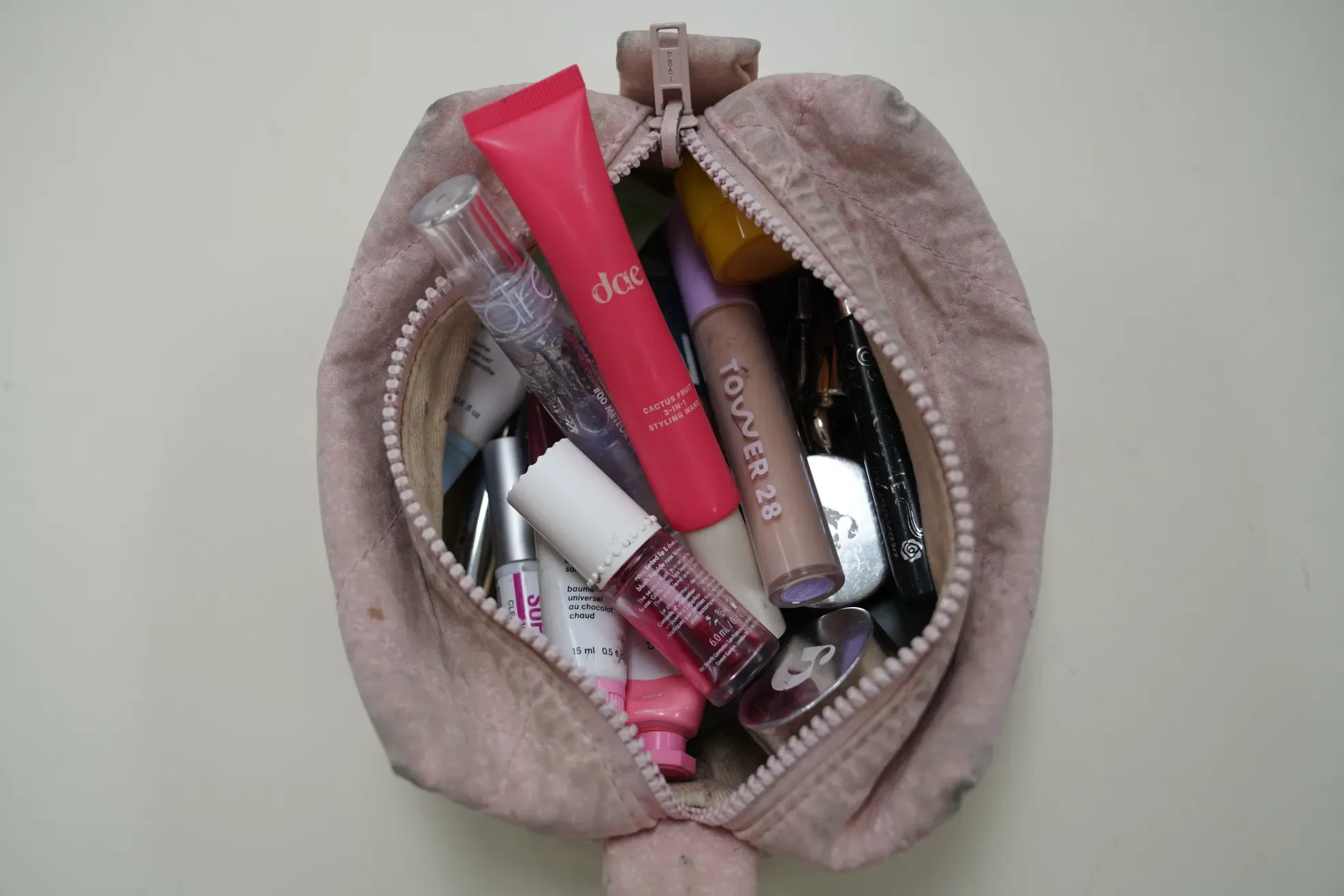
In the pursuit of ethical consumerism, teens and adults are becoming increasingly aware of the impact their purchases can have on both people and the planet. One sector with critical social and environmental problems is the beauty industry, where products often contain ingredients that are sourced through exploitative practices.
Mica, a naturally occurring mineral, is commonly found in various products that teens use daily. It creates a shimmering effect in items such as eyeshadows, highlighters, shampoos, and even toothpaste in order to enhance their visual appeal.
However, it’s important to note that the mining of mica has raised ethical concerns due to practices such as child labor and unsafe working conditions. In Jharkhand and Bihar, states in eastern India, illegal mica mining is rampant. Children as young as five work in hazardous conditions, extracting mica to support their families. These children face respiratory issues, physical injuries, and are deprived of an education. The meager wages earned — often less than $1 per day — are insufficient to meet their basic needs, so they become trapped in a cycle of poverty.
In addition to severe impacts on worker education and health, illegal mica mining presents serious environmental consequences. The extraction process often involves destructive methods, including unregulated digging and deforestation, leading to soil erosion and habitat loss. These unsustainable practices further perpetuate a cycle of environmental and economic instability, making it increasingly difficult for these regions to break free from the grip of illegal mining activities.
Many industries that rely heavily on mica for their products lack transparency, but there are a few systems in place to help consumers identify and address these unethical practices. Consumers can look for certifications indicating responsible production, such as COSMOS for cosmetics, Fair Trade Certified for packaged food, and the Forest Stewardship Council for product packaging.
Additionally, cosmetic brands such as Lush, Axiology, and Jane Iredale have taken significant steps to address the mica crisis. Instead of sourcing natural mica, the three companies use synthetic mica in their products, which is both free from child labor and offers superior texture and performance. Moreover, synthetic mica is environmentally friendly, as it does not contribute to the microplastic pollution that is associated with other natural mica alternatives.
As consumers, especially students, it is critical that we become more conscious of the ethical implications of our purchases. When making purchases or recommendations for others, it’s crucial to support brands that prioritize transparency, responsibility, and sustainability. By looking for products with recognized certifications and supporting companies that take proactive steps toward ethical sourcing, students can contribute to a more equitable and sustainable beauty industry.