How the sexual revolution changed the night
Halloween: the one day of the year when teenagers can dress up in creepy homemade costumes to hide their identities and commit acts of vandalism and violence. No, wait, that was in the early 20th century, before adults made it a kids' holiday and started passing out candy to discourage the shenanigans. Over the years, Halloween has changed drastically, and as it has changed, so have the costumes that people wear.
During the Great Depression of the 1930s, Halloween began to be considered a children’s holiday. Then, store-made Halloween costumes were considered a luxury item because they were so expensive and hard to find. Often, people would make their own costumes, and they tended to be quite creepy because they still drew inspiration from older traditions with costumes made to scare away spirits. Later, around the 1950s, Halloween costumes became more commercially accessible and cheap for everyone. These costumes were more child-appropriate, often based on popular culture instead of older superstitions. And that is the Halloween that we know today.
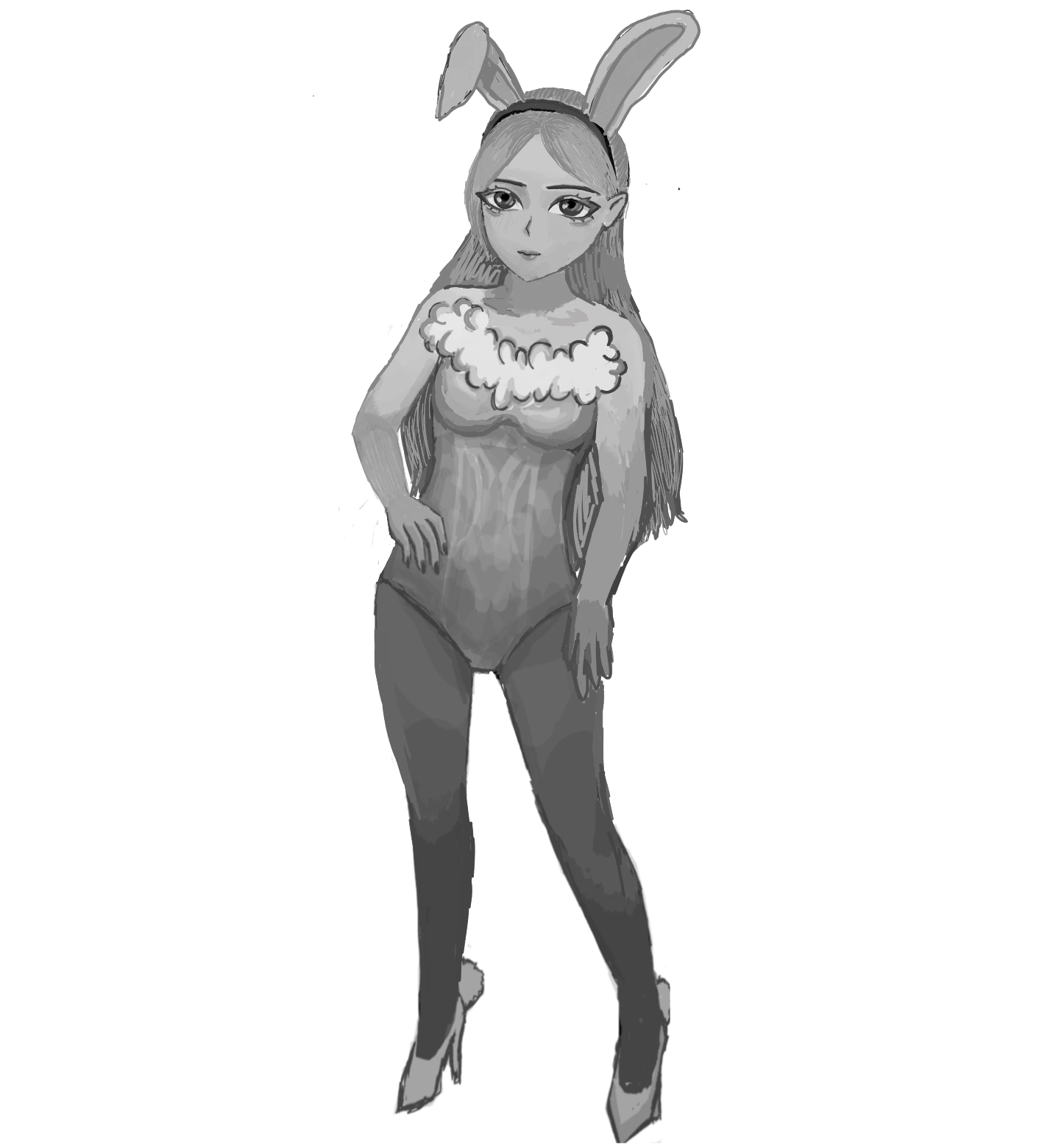
Well, almost. It was like that for about 20 years until the sexual revolution in 1970. During this time period, people became less inhibited, and behaviors that used to be considered promiscuous and offensive became socially acceptable and normal. Along with this, women were starting to find their voices. The Supreme Court's ruling in Roe v. Wade, which legally allowed women to get an abortion, helped further expand women's rights. Meanwhile, demonstrators in the Stonewall Revolution protested against the poor treatment of LGBTQ+ individuals. All of these movements led the way for new types of self-expression and creativity, which worked their way into Halloween costumes. In the 1970's, the LGBTQ+ community had started designing some of the first truly risque costumes. Even though scandalous costumes previously existed, now, with the new rebellions and need for self-expression, people started to actually wear them.
As time went on, so did the popularity of these types of costumes. While scandalous costumes were previously available, they were not a core part of the Halloween fashion. So what made these risque costumes different this time? Why were they the ones to get the ball rolling on all the other ones yet to come? Part of it is definitely self-expression, and women experimenting with their newfound social freedom, but it was also pop culture and movies. When the ratings of movies were changed, movie writers could make directly explicit content without holding back in fear of a child watching it. Over time, this level of explicitness became normal in our culture and made its way into popular Halloween movies and films, making way for explicit costumes that mirrored what people were seeing on TV.
Today, explicit costumes have worked their way into our culture even more. Whether it be through popular TV shows or pop culture, risque costumes have evolved from being witches and nurses to just about anything you can conjure.