From gaps in academic achievement to systematic inclusivity, the 2026 Princeton Public Schools Equity Report Card has assigned the Princeton Public Schools district an overall “Falls Below Expectations” rating, the equivalent of a failing grade.
The PPS Equity Report Card is a recurring account of the district’s published scholastic performance metrics, including graduation readiness, disciplinary action, AP enrollment, and special education referrals. The current data, collected from the 2023–2024 school year, specifically compares the metrics of Black, Latino, multilingual, and disabled students to the district average to point out specific opportunity gaps that need to be addressed.
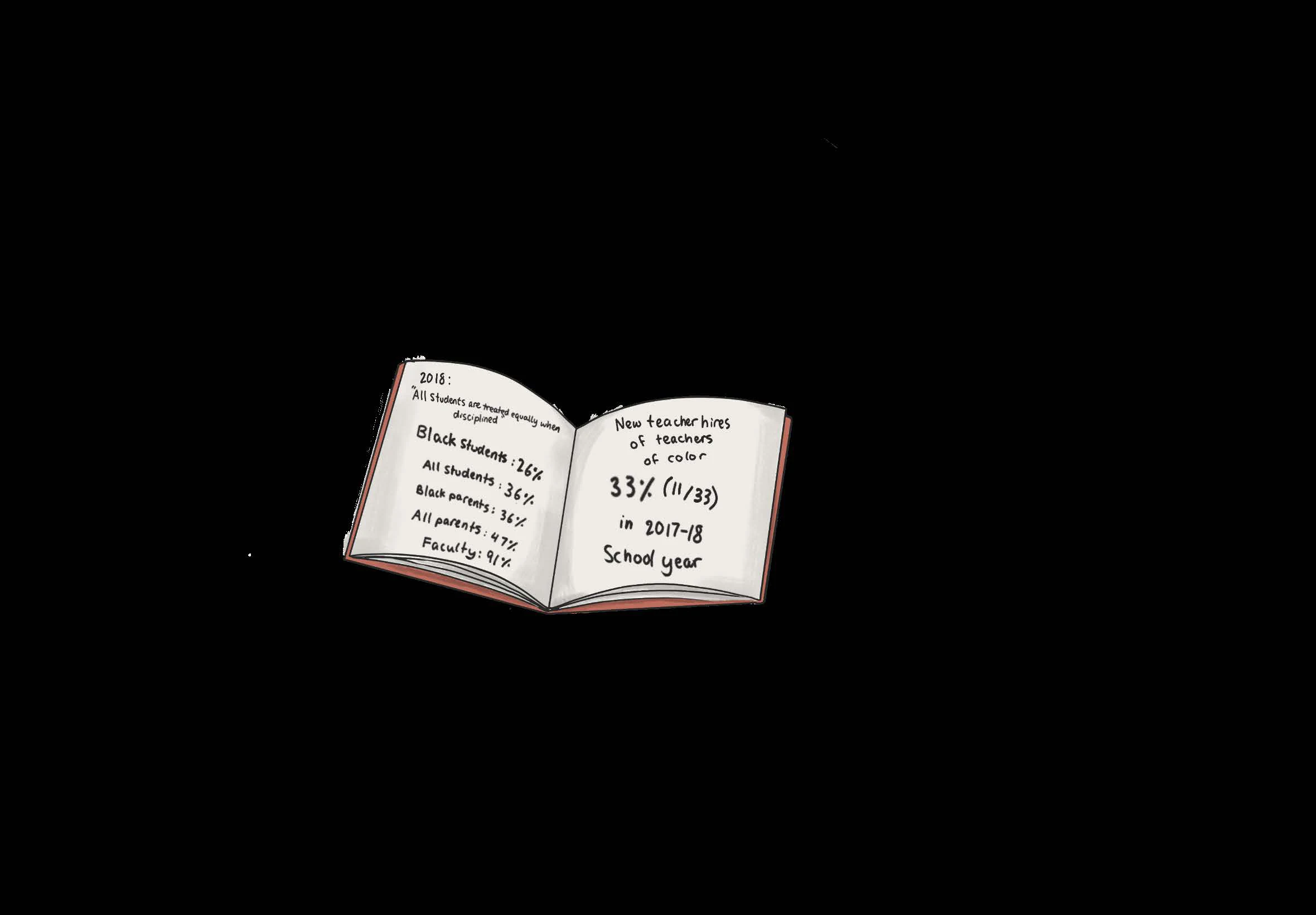
The 2026 report, offered by advocacy organizations Princeton Parents for Black Children (PPBC) and Not In Our Town (NIOT), is a response to the initial 2017– 2018 Educational Equity Culture and Curriculum Audit, commissioned by the former superintendent Steve Cochrane. The 2026 report was created to ensure that the school district’s progress in these areas — or lack thereof — remains visible and measurable over time, regardless of who sits on the Board of Education.
This year’s report showed that district metrics for certain categories did not improve after six years, but rather remained stagnant or worsened. A key factor in the district’s failing evaluation at the high school level was the four-year graduation rate. While the district’s average stood at 94.6 percent, the rate dropped to 87 percent for Black students and 84.3 percent for Latino students, while economically disadvantaged or multilingual students faced graduation gaps of up to 25.4 percent lower than the district average. This downward trend extended to higher-level coursework and standardized testing, with gaps of up to 24.2 points in AP enrollment and 31.7 points in ELA proficiency.
According to Michele Tuck-Ponder, Co- President of PPBC and former Board of Education member, a partial cause of the disparity in rates is the focus of the district’s program, which fails to accommodate the varying needs of a diverse student body.
“The resources that are dedicated to the high-achieving students are to the detriment of those students who are average students or students that need extra support,” said Tuck-Ponder. “We’re a public school district. Equity should be one of the first things we think about in programming, in curriculum, and across the board. We’re supposed to serve every student … to the best of their ability and make sure those opportunities are there.”
Another explanatory datapoint the report draws attention to is the documented racial wealth gap of roughly $643,000 between the median white family and the median Black or Latino family statewide. According to the report, these wealth gaps at the family level translate directly into the supplemental educational resources students can afford, which in addition to informal knowledge of the system, determine what demographics gain access to advanced coursework, a factor that effects students’ futures.
While financial aid is offered for many of these costs, according to PPBC, the lack of awareness of these programs combined with the stigma surrounding financial aid prevents many families from inquiring about them.
Apart from financial aid, there is also an overarching lack of common knowledge encompassing free academic resources provided through PHS, putting students who aren’t cognizant of these opportunities at a possible disadvantage.
“A lot of students might not be aware of these resources, especially if they’re underclassmen, since they aren’t acclimated to the school’s inner workings quite yet,” said Anaya Sinha ’28.
Ultimately, the administration admits that although overall downward trending percentages are a result of individual student circumstances, they do reveal that underlying issues must be investigated further and that institutional gaps must be addressed.
According to PHS racial literacy teacher Dr. Katie Dineen, protracted yet incremental reform is already underway in the curriculum.
graphic
“At the classroom level … we’re implementing [the report’s findings] in our racial literacy course,” said Dineen. “I’m not surprised by any of the findings. That also is contributing to the fact that we’re not seeing a quick and loud response to this, because it’s expected.”
Additionally, the general lack of attention to the Equity Report Card prevents steps from being taken to advance the school’s score.
“It doesn’t seem like something that students think about day to day, and it should be. It should be something that they are aware of and empowered to address and challenge,” said Dineen.
Accordingly, PPBC states the next actionable step is taking ownership of historical inequity and lack of progress.
“The ingrained issues that prevent Black children from achieving at the level of their peers are a big issue and there is not an overnight solution,” said Tuck-Ponder. “In our minds we’re … this amazing school district, but as long as the least of us, or those who are disadvantaged, are not having their needs addressed, we’re not great. … If there’s anything we’re demanding, we’re demanding accountability.”