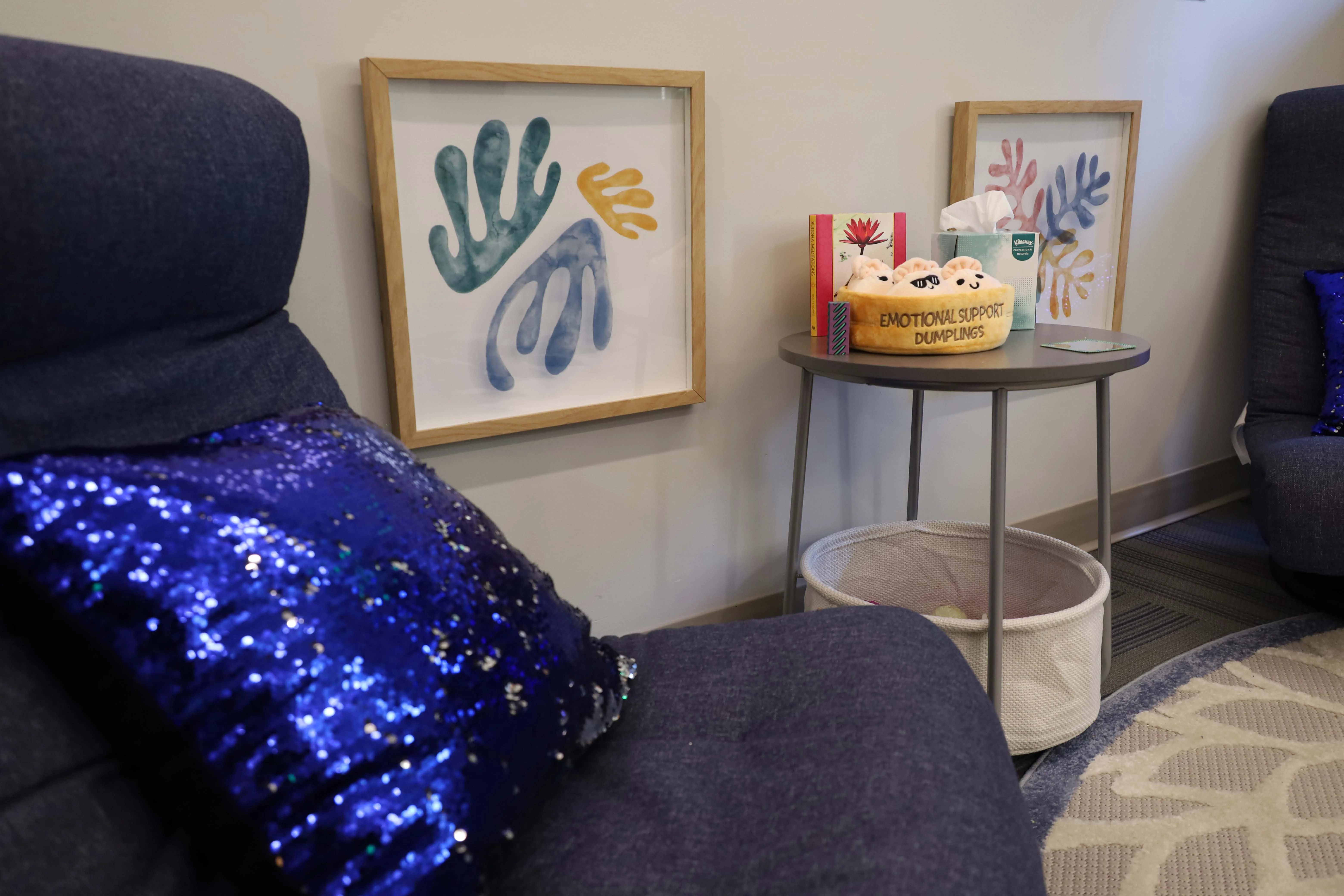
The PHS Resilience, Intervention, Support, and Empowerment initiative (RISE), a confidential mental health program that was rebranded from the Student Assistance Program last year, will be reimplemented this year. It will feature a new Canvas page, self-referral forms, a RISE den, and several other additions. Led by mental health counselors Ryan Stingel, Bethzayda Matos, and Michelle Simborski, the program is designed to help students with stress and depression and educate them on available resources.
Students who are curious to explore the new resources have had positive reactions to the program upon learning about it.
“I think that depending on how they talk to these students, it could be beneficial,” said Walter Vossbrink ’27. “During health class, a lot of kids think mental health is important to know, but they find those lectures boring. I would be curious about what sort of ways they talk about mental health with people.”
Compared to previous initiatives at PHS, this program has seen an increase of students willing to talk to the three counselors, due to increased awareness surrounding the program.
“It’s kind of been a soft launch. We want to be proactive and preventive as opposed to being reactive. We’ve definitely seen an increase in the students that we’re seeing, either by self-referral or word of mouth,” said Matos.
The program also aims to benefit students’ physical health alongside their mental health.
“We’ve seen a decrease in student visits to the nurse because of anxiety. [If students say] ‘I’m not feeling well,’ it manifests physically as well,” said Matos. “They can come directly to us [counselors] because we have a relationship, but they’re able to recognize it’s not just physical, it’s mental health.”
The confidentiality of the program also helps increase the amount of students participating in RISE. Students can now connect directly with counselors without going through multiple channels of recommendation through the newly introduced self-referral form.
“Whatever you say here stays between us, and you can come back week after week on your own time [and] schedule. … Students come down and it’s not as stigmatized,” said Simborski.
Students can learn many lessons with RISE, such as the effects of substance abuse on students and families, relationship issues, or managing mental health in school. Counselors encourage students to apply these lessons to their own lives in positive and beneficial ways.
“I’ve seen some really positive changes implemented in students’ lives. I’m not going to say it was all because of RISE, partly because of what students do with the skills and the knowledge that they accrue here,” said Stingel. “It’s not always just about what we talk about, or do in this space, it’s what you do with it right after you leave this office.”
While many new additions have been made to RISE this year, the program is still in its early stages and has room to develop. Some students have suggested ideas that would allow even more familiarity with RISE.
“Maybe [plan] the sort of events that are not even related to mental health, so that you can kind of get comfortable with the program,” said Myla Leger ’30.
Stingel noted the core purpose of the RISE program: to address the root causes of student mental health problems and allow them to feel accepted at PHS.
“[We] want students to have the support and resources that they need to be successful when they’re here with us for their four years,” said Stingel. “I’m a big believer that every single person deserves to feel comfortable in their own skin.”