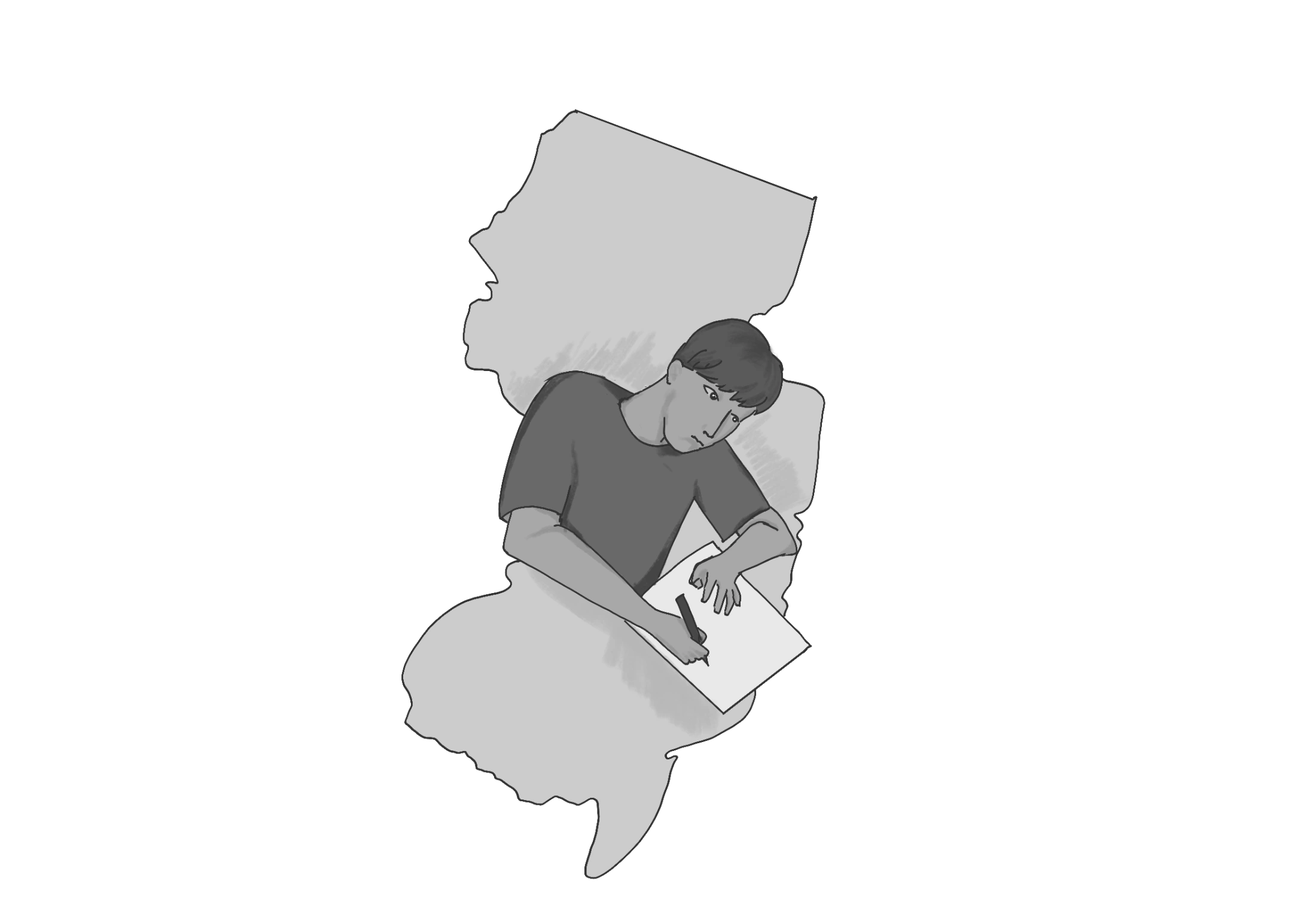
As NIL opportunities continue to grow in college sports, attention is turning toward a new group of athletes — high schoolers. NIL, which stands for Name, Image, and Likeness, allows student-athletes to earn money through endorsements, appearances, and social media, similar to athletes in the professional leagues. While NIL deals have become increasingly common in college sports, there is growing debate over whether high school athletes should have the same opportunities. At this moment, 45 out of the 50 states allow high school students to sign an NIL deal. This includes New Jersey, which officially permitted high schoolers to sign NIL deals starting January 1, 2022.
NIL is the process in which athletes can control when their image is used, including economically. Through NIL agreements, players can partner with brands and businesses to promote products and earn money. For example, Kiyomi McMiller, a high school basketball player who graduated in 2026 from the Life Center Academy in New Jersey, made history by signing an NIL with the Jordan Brand, the first high school student to have one signed with the label.
In college-level sports, NIL opportunities allow athletes to earn money from their athletic reputations and the attention they bring to the programs. However, people have begun to think about whether or not high school athletes, who are also extremely committed to their sports, deserve to be paid as well. Supporters of the expansion believe high school athletes should be able to benefit from their talent and hard work, especially if businesses want to use their name or image to promote their products. In addition to this, the demanding schedules of practices, games, and schoolwork can make it difficult for student athletes to find a job and earn money. So NIL deals could also give them a chance to earn money while not requiring them to take more time out of their schedule to find a job.
“I think I would want to be paid for [NIL deals] because I put a lot of time and dedication into my sport. … I also don’t have time to get a job so I think that the NIL would be really beneficial to me,” said Zeva Hoffman ’29, a softball player at PHS.
However, while there are many benefits and reasons for high schools to start using NIL deals, there are also some drawbacks. When athletes start to focus on earning money during each game rather than improving their skills, winning games, or supporting their teammates, the competitive environment could change. Younger athletes could face pressure to build a public image and perform well. It removes the “amateur” aspect of high school sports and shifts the focus to financial gain. Furthermore, schools don’t get compensated for their role in providing the opportunity for students to play their sport.
“I don’t think that high school athletes should get paid because the schools don’t make money off of the athletic programs,” said Ryan Walsh, boys soccer coach. “Therefore, the kids shouldn’t make money. Whereas in college, the schools do make money off their life.”
Although no PHS athletes currently have NIL deals, they have access to resources that could put them in strong positions to pursue these opportunities in the future. PHS athletes have access to the school’s athletic resources, such as the trainer and fitness center, and some even have the opportunity to train alongside athletes from Princeton University. These assets, even without money, are helpful for an athlete’s ability to train and grow as a player. Even without NIL deals, these opportunities provide student-athletes with ways to develop their skills and gain experience that could be valuable as NIL deals continue to expand in high school sports.