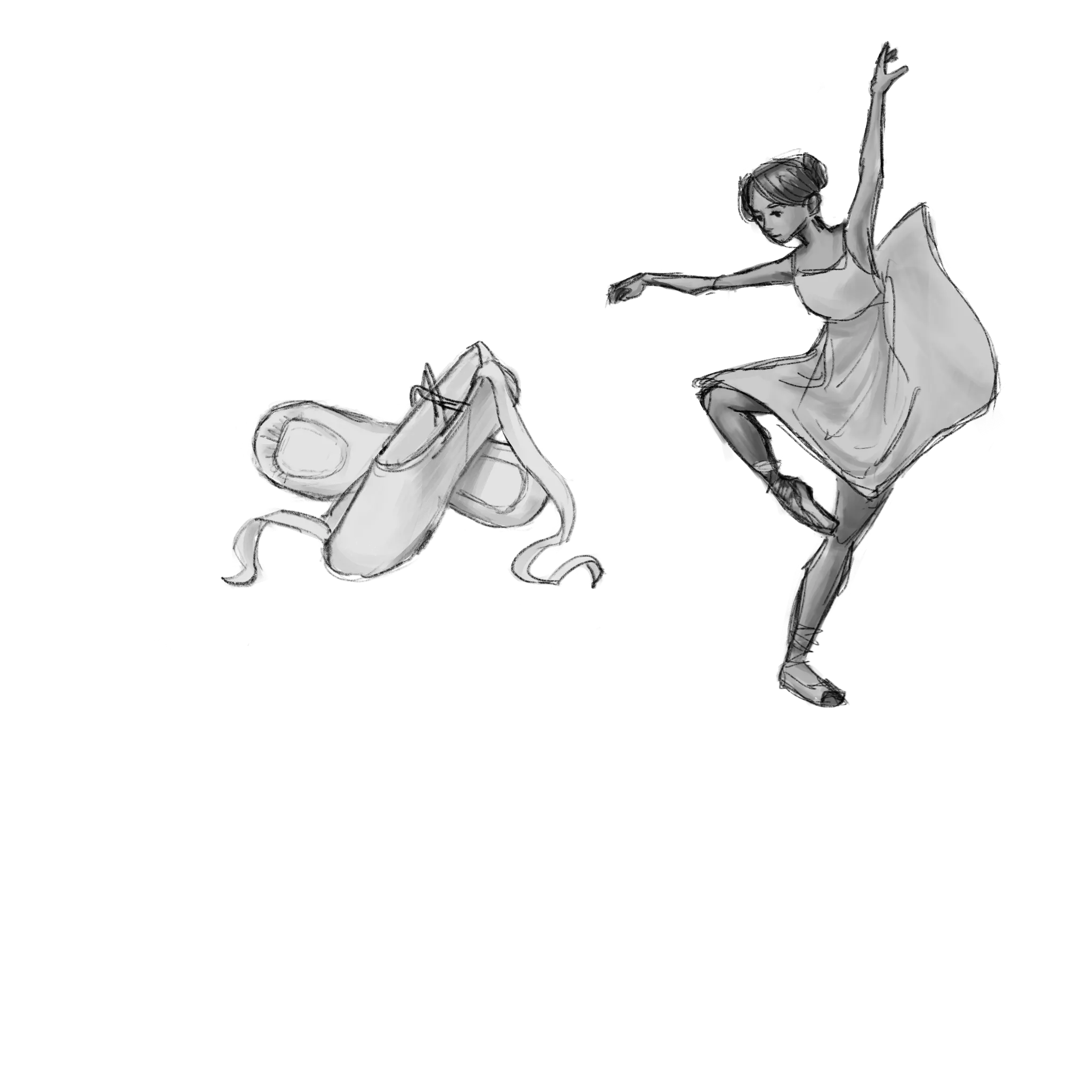
A ballet dancer responds to Chalamet
On February 24, 2026, I checked my phone to find that Timothée Chalamet had set the world of social media aflame.
“I don’t want to be working in ballet or opera, where it’s like, ‘Hey, keep this thing alive,’ even though it’s like no one cares about this thing anymore,” Chalamet joked to a laughing audience, after being asked by interviewer Matthew McConaughey about the growing popularity of shorter-length opening acts in films. His subsequent hasty apology — “all respect to the ballet and opera people out there” — did little to dispel the discourse that arose on social media shortly after the YouTube video was published.
It’s no secret that ballet and opera have dwindled in popularity during the centuries of their existence, but what Chalamet fails to grasp is that the amount of exposure an art has does not determine its value. I’ve learned in my experience as a ballet dancer that our work is not easy: constant comparison between peers, rehearsals from the small hours of the morning to late at night, crippling injuries, and not having time for anything outside of dance are just some of the things that we have to endure. Despite this, I personally continue with the art simply because it’s beautiful.
When everything is put together in a production, ballet — and opera — can hold immense emotional prowess to the observer (to the same degree as film does) regardless if said observer is a person with no experience in the theater arts. Since ballet and opera both utilize movement and music to illustrate emotion, background knowledge is unnecessary in order to provoke a deep sentiment. This psychological aspect explains why ballet has been preserved for centuries; an art form that holds this much power can’t just simply fizzle out and die one day.
This explains the uproar that commenced after what Chalamet said: while the communities that enjoy ballet and opera are relatively small, they’re very outspoken, so it’s no wonder why Chalamet’s interview has blown up in the way as it did in the way that it did. His comment could be considered dismissive and close-minded. Some could even call it an anti-art sentiment, as opera and ballet paved the way for the modern-day cinema Chalamet has found so much passion and success in; it allowed complex narrative structures to be conveyed through the power of human acting.
However, Chalamet has a point. There is no way ballet and opera can wring out the amount of money that Hollywood blockbusters — like his most recent film “Marty Supreme” — can, but as a wealthy celebrity with a reputation as a man of the arts, partaking in different art forms is a risk he certainly could take. And while it may be valid to recognize a personal indifference to opera and ballet, the way he phrased it implies that he is reluctant to participate in because it wouldn’t earn him as fat a profit as his normal work usually does.
As this controversy runs its course (even though it has not shown any signs of halting, fellow celebrities such as Whoopi Goldberg, Jamie Lee Curtis, and Doja Cat have all criticized Chalamet, only for the latter to retract her comments), it’s still important to be aware that it all stemmed from a poorly-worded interview comment. But the silver lining for this controversy? Opera and ballet sales have spiked since the interview.