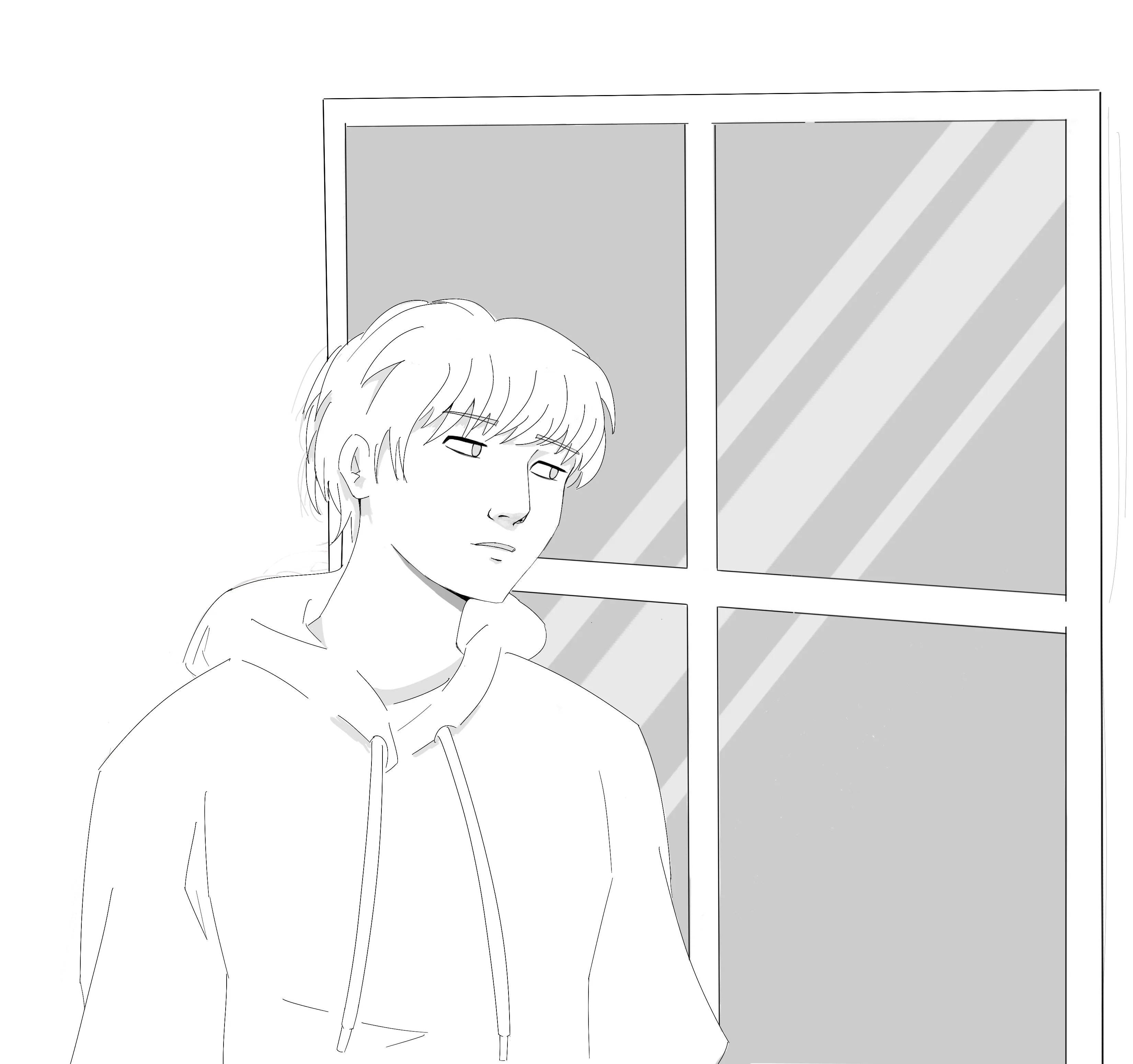
There are moments in the day that are strangely empty. A task ends, a conversation finishes, and for a brief second, there is nothing that needs to be done next. Nothing is calling your name, nothing is demanding your time, and nothing is left but a small pocket of quiet thoughts.
Those small moments of thought come with their own kind of baggage — silence. The mind begins searching for something to fill the space. In a world that seems to run without pause, stillness is associated with absence. And when confronted with something unfamiliar, the mind reaches for what is normal — something to occupy itself with to get rid of the quietness. If the silence were not strange and uncomfortable, we would not shy away from it, but our overstimulated minds regard noise as a preferable constant.
That is not to say that this discomfort with silence is new. “All of humanity’s problems stem from man’s inability to sit quietly in a room alone,” wrote philosopher Blaise Pascal during the 17th century. And yet when we do sit still, the silence we so often avoid begins to settle in the room with us. If we allow it to remain and resist the instinct to reach for occupation, the mind slowly clears. Our best and most creative ideas arrive during such clarity — when we stop avoiding silence and instead consider it as valuable time.
Due to the temptations and the distractions that surround us in modern times, we rarely allow ourselves to have quiet moments. When we do find them, we substitute them with another task, under the pressure of productivity.
In recent years, the small pockets of quiet time that once existed in the day have slowly been replaced, something students at PHS know all too well. Turning to the modern cure of boredom, students often fill quiet moments with cellphones, short videos, social media, and the endless stream of entertainment designed to keep our attention. But following Pascal’s suggestion, imagine what might happen if those moments were not replaced.
When we think quietly to ourselves, we allow our mind to think deeply, to develop new and creative ideas — something that improves mental well-being, according to a study published in the National Library of Medicine. Furthermore, in 2012, researchers found that letting your mind wander and thinking on your own often leads to better creative problem-solving. These effects are important to consider when reaching for a cellphone to fill empty space.
So the next time you find yourself unoccupied, resist the urge to replace the silence with something else. Instead, allow your own thoughts for a moment. You may find that the boredom we rush to escape is the very place where our best ideas begin. The beginning of something that only silence could reveal.