With a collection of around 700 albums, I have become obsessed with the ritual of picking a vinyl out of the sleeve, placing it onto the turntable, connecting the speakers, dropping the needle, and hearing the warm analog sound reverberate through the speakers. This tactile experience with music connected me to how music was enjoyed for decades and introduced me to hundreds of artists. For many years, I was an outlier, with many of my peers solely using streaming services. However, due to the trendiness of a vintage lifestyle, vinyls are becoming more widely used and collected by Gen Z listeners. According to Yahoo Finance, vinyl sales surpassed one billion dollars in 2025, with over 48 million units sold. Through this resurgence, old records stored in attics are now becoming coveted collector's items for teenagers.
Using a record player is a process and a ritual. From smelling the dust from records I haven’t used in a while to hearing the little crackling noises of the stylus on the grooves of the vinyl, I remember each of these sensory details like the back of my hand, making the experience grounding and nostalgic. The moment the first note rings through the speaker is so gratifying because I spent time preparing it, carefully handling each aspect of the process to ensure the vinyl and record player are preserved as best as possible.
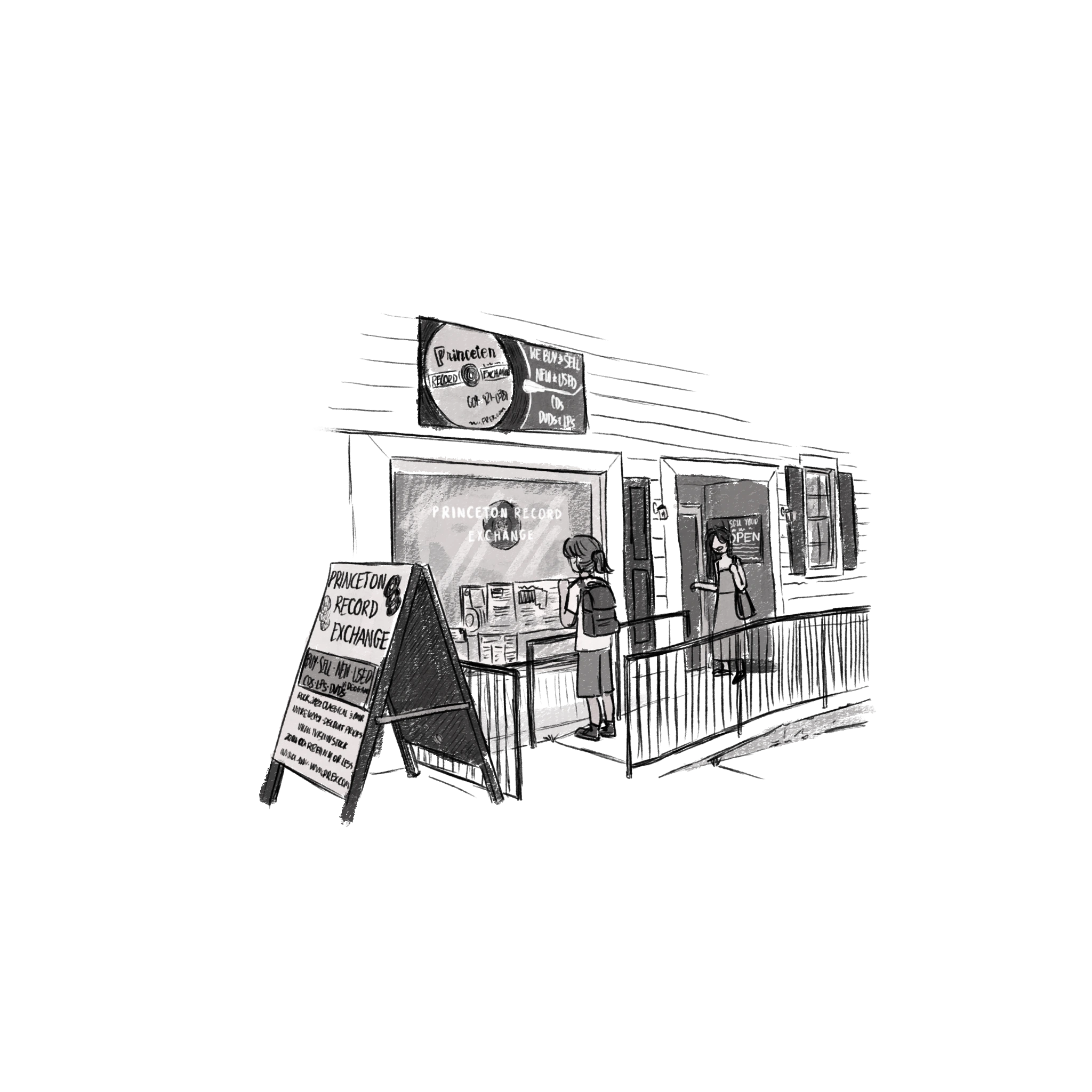
“For vinyl in particular I think people appreciate the entire package the vinyl offers," said Brandon Odrobenek, an employee of Princeton Record Exchange, a local hub for vinyl collectors and a prime example of record store culture. "It’s not like you’re just pressing a button on your phone or on your computer. You’re actually taking the record out of the jacket, putting it on the turntable, dropping the stylus down, so it’s a whole different experience. I think that’s something that people [who] didn’t necessarily grow up with have come to appreciate, and the people who did grow up with it are now returning to it.”
It wasn’t until the pandemic that I heard my peers talking about buying vinyls and experiencing the record store culture. It can be magical and meditative to flip through vinyls, smelling the aroma of old paper and listening to the background music chosen by the shopkeepers. On top of that, the idea that there could be an original or limited edition pressing hidden within the piles keeps the excitement flowing and makes me feel like a little kid on a treasure hunt.
Once I find what I am looking for, or maybe what I unexpectedly came across, another wave of excitement crosses over me, opening the record for the first time. Besides the first listen, opening it could uncover many of the hidden gifts an album jacket can have, like liner notes, posters, lyric sheets, stickers. One of my favorite discoveries was the four high-quality individual portraits and the large poster with lyrics on the back that I found inside The Beatles’ “White Album.” Both the tangibility of the music as well as the extra information and memorabilia connect the listener to the music beyond a single dimension, both physically and intellectually.
The combination of its ritualistic nature, the community behind it, and the physicality and interaction fostered are what revived vinyl popularity and brought it to the forefront of social media, becoming a large part of the vintage aesthetic. Whether it's freshly pressed vinyls from modern artists appeasing their audience or well-loved records from forgotten retro artists, vinyls and their culture are accessible to all tastes and levels of interest in music, which is why their resurgence became so widespread and influential.
“It doesn’t matter what walk of life you came from," said Odrobenek. "As long as you’re here because you love music and you’re passionate about buying music, that’s all that matters.”