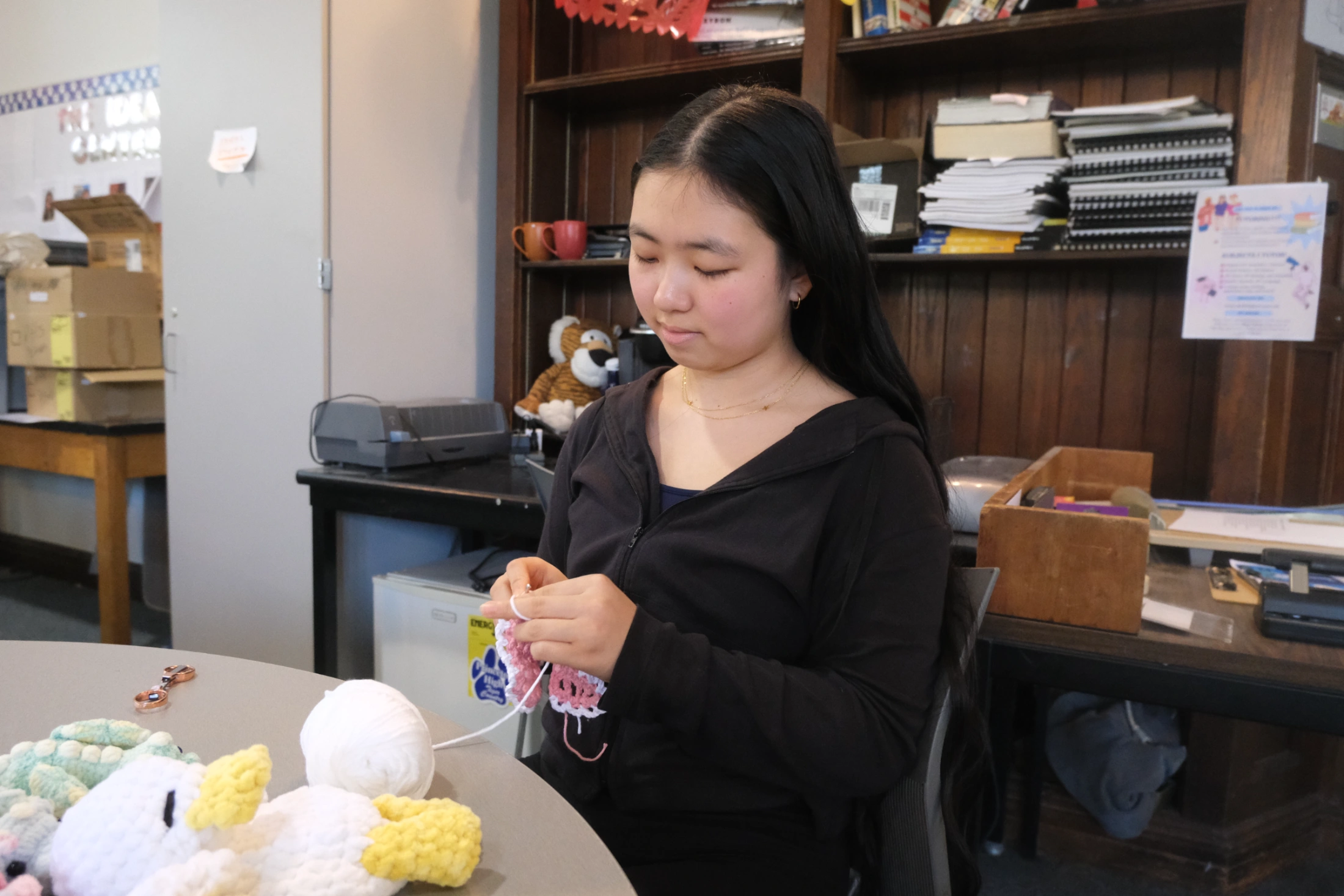
School is designed to prepare students to become contributing citizens. However, when students who can succeed in AP Calculus BC question their ability to cook a simple meal, a serious issue presents itself. A 2019 survey by H & R Block revealed that 84 percent of American adults learned things in school they never used again, and 89 percent wished that they had learned more about practical life skills. Most Americans reported feeling that school prepared them well academically, highlighting a clear imbalance between academic knowledge and real-world readiness. One possible solution is reintroducing home economics classes in schools.
Widely implemented in public schools from the early twentieth century, home economics has been losing popularity since the 1970s and has since been labeled as “outdated” and “sexist.” But this is only the case when the class is not approached from a universal perspective. Home economics classes forge respect for non-academic skills, which is especially important in the uber-competitive environment of Princeton High School. Additionally, teaching life skills to all can actually promote gender equality, making traditionally female roles like cooking and cleaning standardized and non-gender based. These benefits make it clear that PHS should reintroduce home economics as a class that fulfills 21st century credit requirements.
It’s easy to overlook the importance of life skills when academics are prioritized. At PHS, it’s normal to take college-level classes and spend hours a night on homework. But why shouldn’t students also learn skills they will use for the rest of their lives? It is not guaranteed that they will use history lessons or chemistry formulas after high school, but one thing is certain: no adult can succeed without having a basic understanding of how to care for themselves. First-year college students often struggle with basic tasks like sewing a button, doing laundry, budgeting money, or cooking meals, which can lead to unnecessary stress and poor habits. Home economics provides a structured way to practice these skills before students are fully on their own, allowing them to build confidence in a supportive environment instead of learning through stressful trial and error. Learning practical life skills also builds up one's confidence and mental well-being. Without these skills, students may rely heavily on fast food, overspend, or feel overwhelmed by independence. Home economics empowers students to feel in control of their lives, which is just as important as academic success.
Historically, home economics was a class usually only offered to girls, while boys participated in woodworking. Although the concept of home economics was not sexist, the implementation of it was. By fixing this outdated system, it can actually be one of the most helpful high school classes for future preparation. Teaching students life skills regardless of their gender will eliminate stereotypes that assume only women can cook or clean, and instead establish it as basic knowledge. Modern programs would include the same skills taught in the past, with some new lessons about budgeting, meal planning, and basic home maintenance. By updating the curriculum, schools can ensure that the class is relevant and beneficial for all.
Schools are responsible for developing well-rounded individuals, which goes beyond cultivating strong test-takers. Intellectual success alone is not enough to prepare students for life, so even a single semester of home economics could provide lasting benefits. PHS should ensure that students are not just academically prepared to enter higher education and become adults, but also possess tools that make them independent, productive members of society.