High school students are often reduced to their victories. An environment that centers around achievements is an environment that discourages failure, imposing social expectations that pressure individuals to constantly improve. Failure thus warps from a possibility to a looming threat.
The cultivation of a failure-fearing mindset creates false perceptions of what “failure” really means, contributing toward eventual self-sabotage. Outwardly displaying successes while diminishing defeats can often cause students to make unfair mental comparisons with their classmates. Simultaneously, negative personal understandings of failure, frequently influenced by childhood experiences, exaggerate poor performance. One’s distorted judgment towards a “B,” a singular argument, or a competition loss not only undermines individual progress but sets unrealistic future expectations.
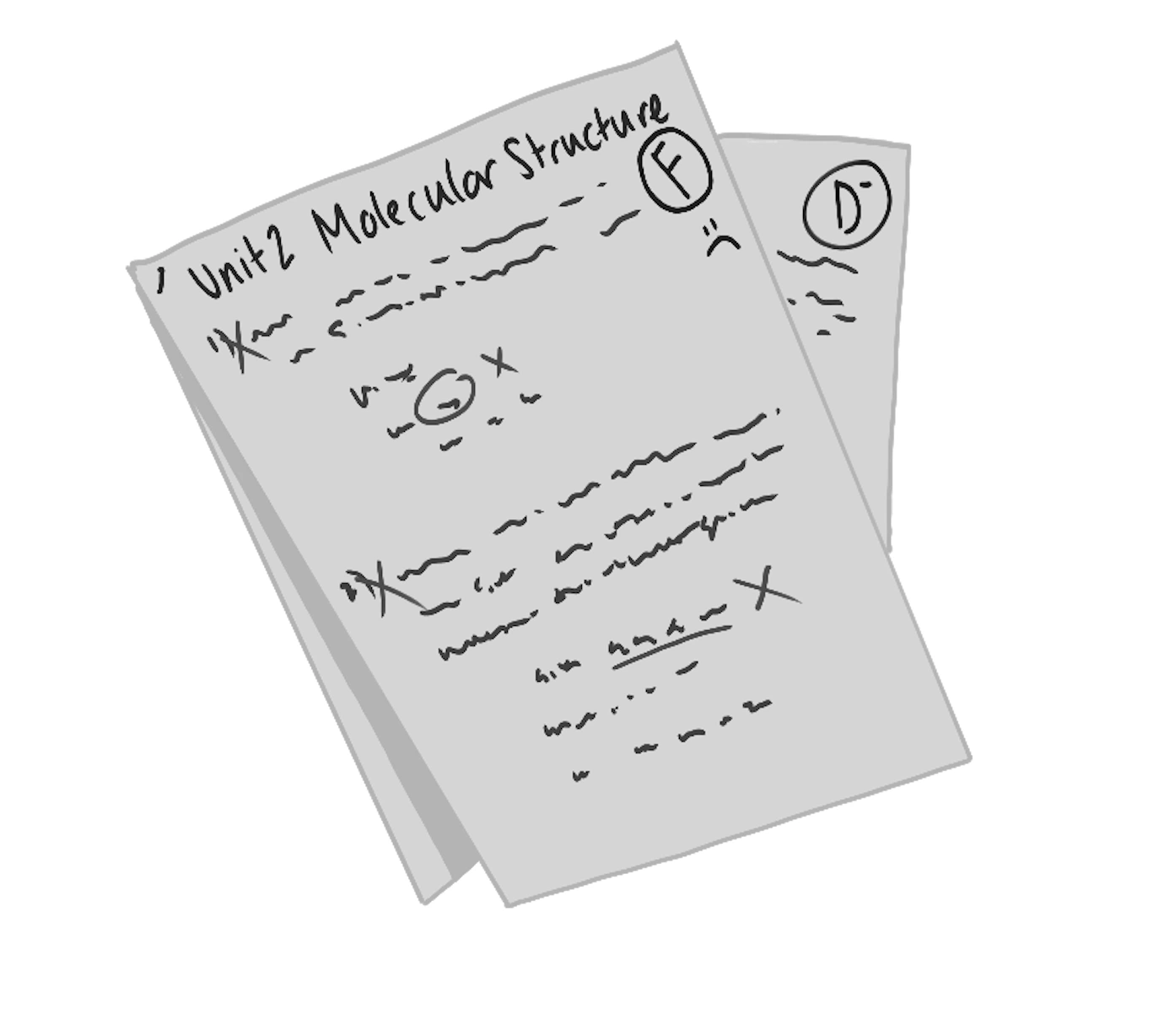
Over the course of my life, similar to many students, I too have suffered through a number of failures. While playing badminton in middle school, I victoriously advanced through matches before halting at a fourth place finish in the final tournament. The idea of perfection that once defined my ability shattered upon the notion of not being “good enough.” During the same years I shifted my attention toward an active social life, interacting with a variety of people until having to move countries. These friendships crumbled with time, leaving nothing but a deep sense of guilt for having failed to maintain connections. Academically, an easy freshman year allowed me to interact with clubs and classmates without ever requiring external help. However, this ease faltered once I advanced to AP classes, ranging from persistent bad grades in the initial quarters of AP Chemistry to a defeatist demeanor upon observing other successful students. A stark contrast emerged between a freshman year 4.0 GPA and the red ink that covered my first test.
These failures were not met with immediate motivation, and instead took precedence in my future endeavors. Failure is only harmful when people allow it to define themselves. Lost tournaments did not signify continued defeats, but rather allowed me to identify specific weaknesses. My past friendships never led to complete seclusion; instead, they created a more attentive nature with future relationships. My failed tests were never the “end,” but rather allowed me to improve my learning strategies. My failures, like everyone’s, break false expectations and represent genuine progress outside of a comfort zone. Harnessing the value of this natural part of life marks the beginning of a stronger self and a more resilient, authenitic, and peaceful existence.