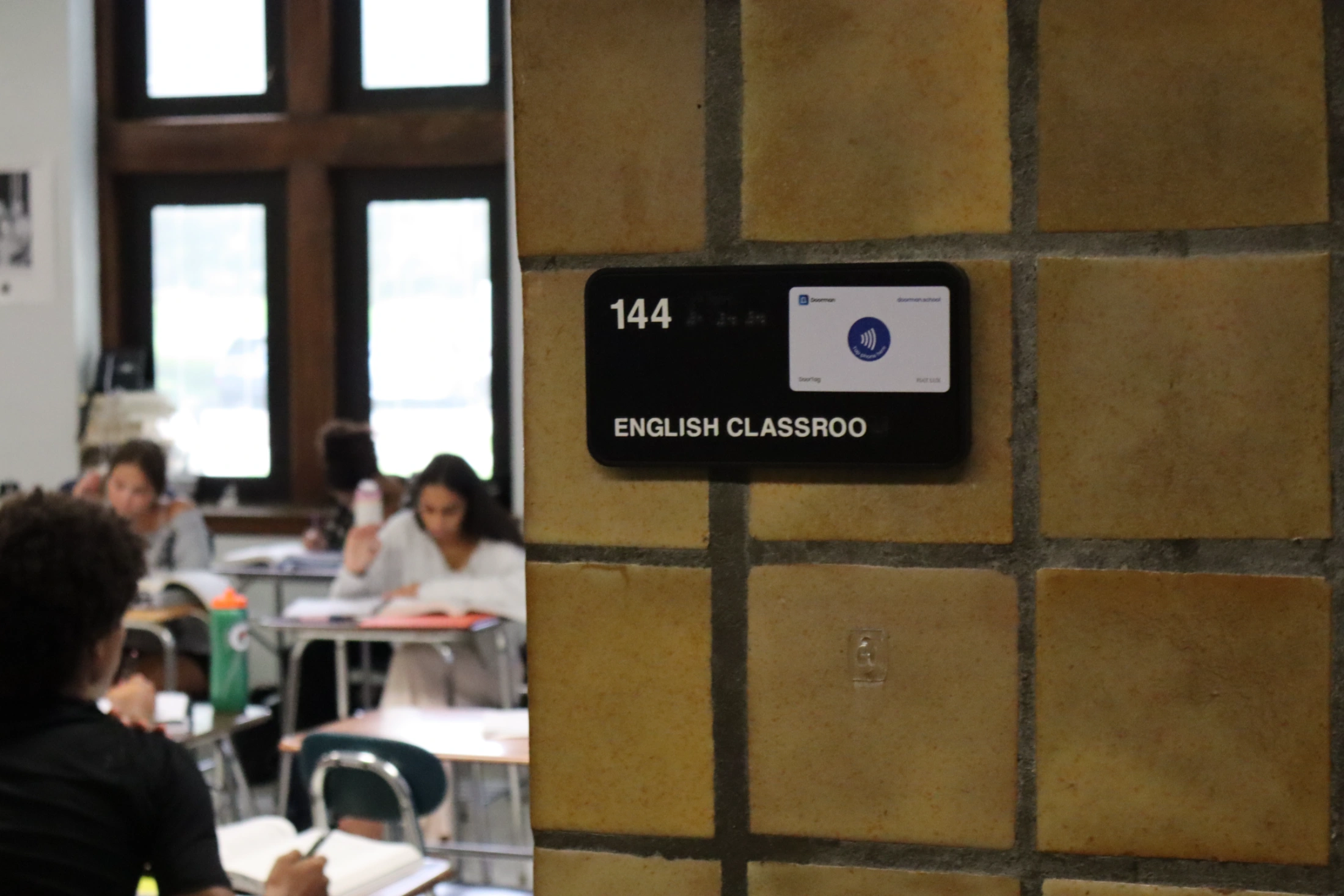
On August 31, we each lost our personal devices to a long battle: the New Jersey phone ban.
This bill is not a ban on phones in schools itself, but rather an agreement that boards set guidelines for phone use in their schools, and a list of requirements that these guidelines must meet. These requirements include prohibiting the use of an “internet-abled device” — smartphones, tablets, smartwatches, etc. that can access the internet — for “non-academic” purposes during the school day. For the students caught up in this bill, especially older kids who have gotten used to navigating the day with the help of a smartphone, it’s disruptive and frustrating. As one of those students myself, I get it. I get it every time I want to use my AirPods in class, and every time I have a silly question I want to Google. But I also know that a lot of the problems — even the fears sometimes — that come with this phone ban can be resolved with just a little bit of perspective.
I’ve gathered numerous complaints from students around the school: What if I get sick and need to go home? What if I forget my schedule? What if I forget my computer, or my lunch? How am I supposed to find my friends during break? What if something terrible happens and I need to call 911? We use our phones during the school day for a whole myriad of reasons totally unrelated to accessing the internet or social media. We use our phones to set reminders for ourselves, to check the time, and keep us tethered to a world outside of school.
All of these worries are valid, and of course it’s okay to feel off-kilter. Phones are such a big part of our society nowadays. It’s natural that a lot of young people have trouble imagining how their days might go in the absence of the instant connection and information that technology allows. But it’s important to remember that issues involving human relations and privacy cannot be black and white. And sometimes, when we are faced with wide-reaching, unprecedented problems, the only thing to do until effective solutions can be found is eliminate the problem at its source. I don’t think this bill is going to be a permanent solution to the problem, but while it is in place, there are tons of common sense solutions to the daily annoyances that come along with it.
For instance, you can establish a singular spot to meet up with your friends for lunch every day. Communication problem solved. Learning to navigate school life without the help of our phones is not going to be seamless. But for ages, people found ways to live and thrive in schools without the use of technology at all. It may seem a little silly or demeaning, but there’s no reason we shouldn’t be able to do the same today.