We expect the right to privacy wherever we are, no matter whether in public or private, yet I see the Flock camera at the head of my road; I wonder if an officer with a vendetta is using that camera to illegally track his ex-wife. Government agencies have scraped the internet for photos of me. Cell phone logs are being bought to track whom I call.
On its face, the purpose of this government surveillance is “public safety.” Yet, due to the omnipresence of such surveillance, law-abiding citizens must now have “Big Brother” tracking their every move: your job, your commutes, your personal habits, your minor errands can now all be tracked and recorded.
In Florida, Officer Christopher Goodson tracked his ex-wife using Flock cameras 717 times. In Kentucky, Officer Asad Zahir executed 2048 searches to track his ex-girlfriend’s vehicle. Just this year, dozens of law enforcement officials were convicted of similar abuses of power.
Furthermore, Clearview facial tracking software, the program used to scan your face at the airport, was found liable for illegally keeping biometric data it had collected and harvesting millions of photos of individuals off the internet. Despite its past abuses, Clearview still operates at a large portion of United States Airports — including Newark, JFK, and LaGuardia.
Phone record purchases have led to hundreds of false arrests — innocent people falling prey to a surveillance state.
And continued governmental regulation has not helped to plug the danger. Only this year, the expansion of Section 702 of the Intelligence Surveillance Act finally expired, which allowed for the warrantless wiretapping of targeted individuals abroad, sweeping up their calls with Americans in the process. Furthermore, several states throughout the country now require identification before individuals can access sites which the government deems “inappropriate” for minors.
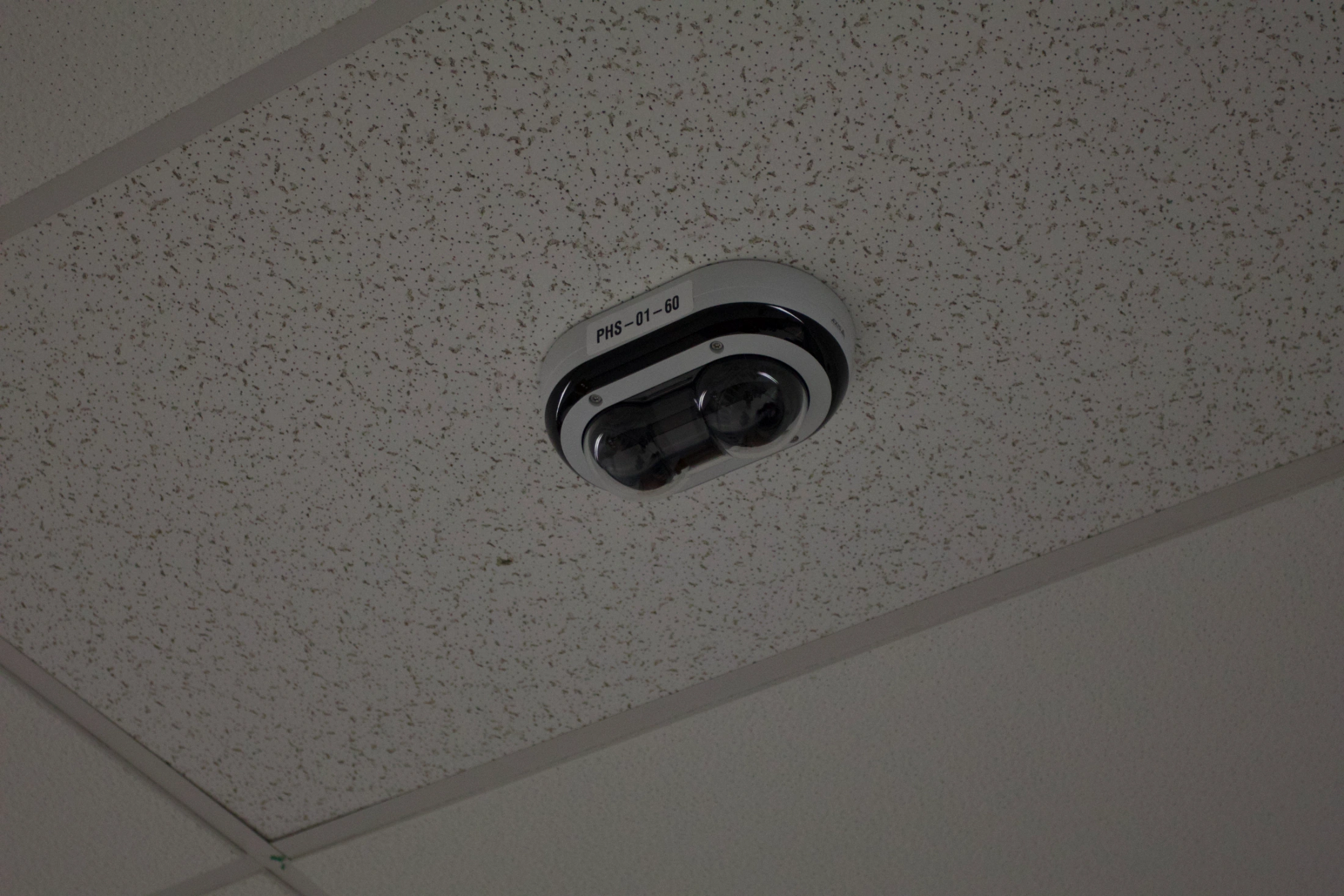
Even PHS has not managed to resist the urge of increased surveillance. While some monitoring — such as the school’s CCTV system — may be appropriate, many other measures overreach into our basic rights of privacy. Chief among these overreaches are the installation of Doorman and the reinstatement of Visigo Agent. With Doorman, the school has a backdoor into our phones, not just to keep phones locked down, but to allow the school to know every moment during the school day when we use our phone in any substantive way. Even if we instead use our school-issued laptops, Visigo Agent, an AI software that monitors and reports a student’s computer usage if it deems it unsafe, stands to log every single keystroke. In both of these cases, we as students have given up our right to privacy online — Big Brother watches every move.
But there is hope for the reversal of some of this surveillance state right now. The Stop Flock Abuse Act proposed just last month attempts to regulate these cameras: preventing facial recognition, banning data sharing with non-government vendors, and requiring all data collected be deleted within 10 days.
The fix is nowhere near perfect. Automated tracking in other areas of life will continue, and the government will still have access, at least temporarily, to wherever your errands or work may require you to travel. But it is still important to place a restriction on how the government can stalk your every move.